
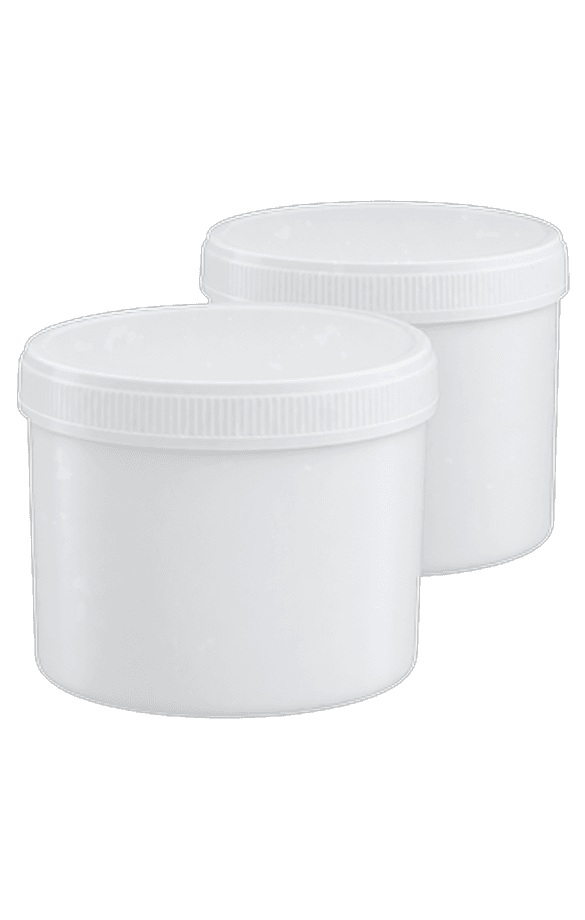
DPC injection gel
DPC injection gel
Damp that soaks up from the ground into your walls damages your finish and leaves the room musty and damp. With the right approach you get your walls dry again.
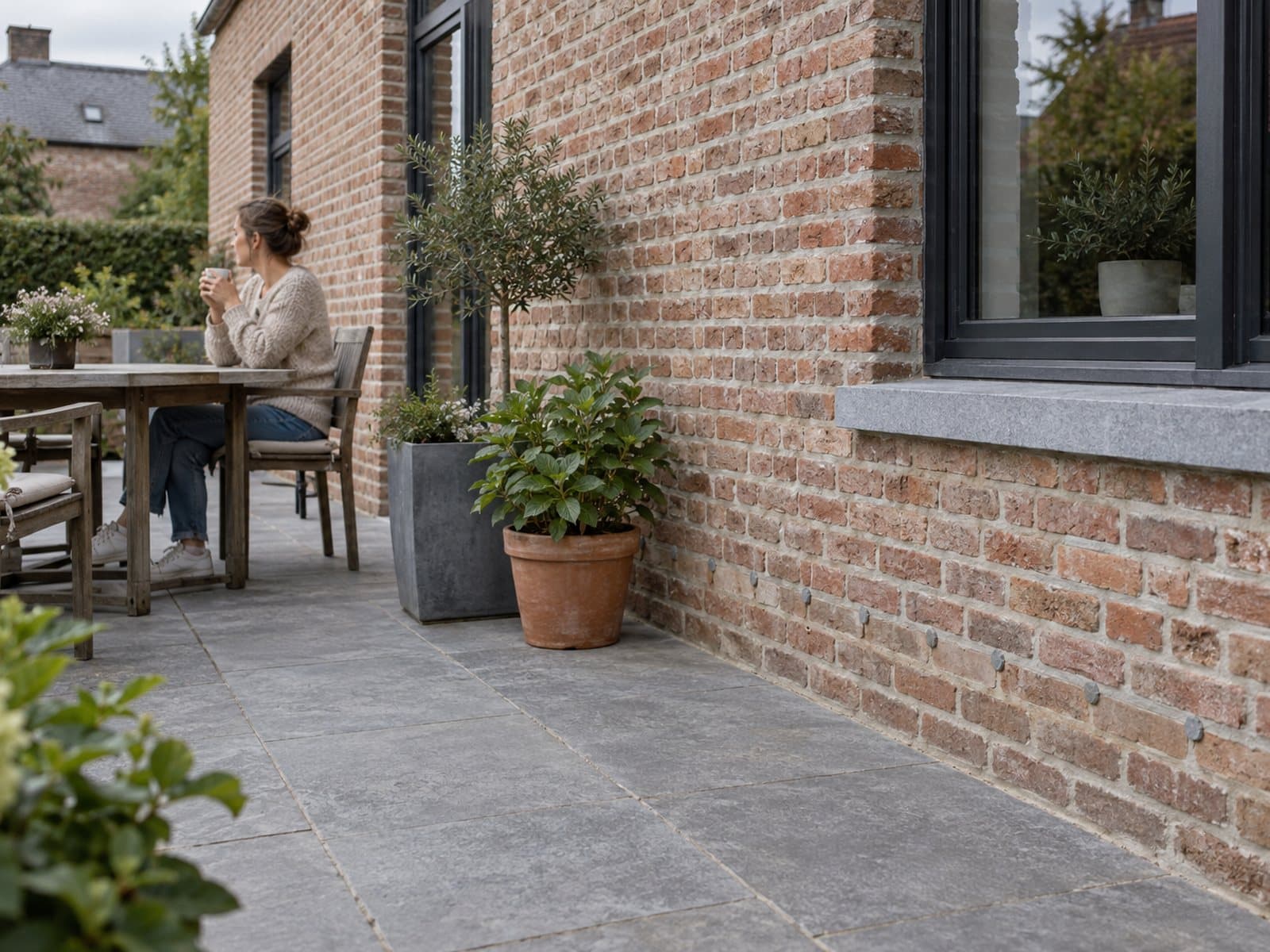
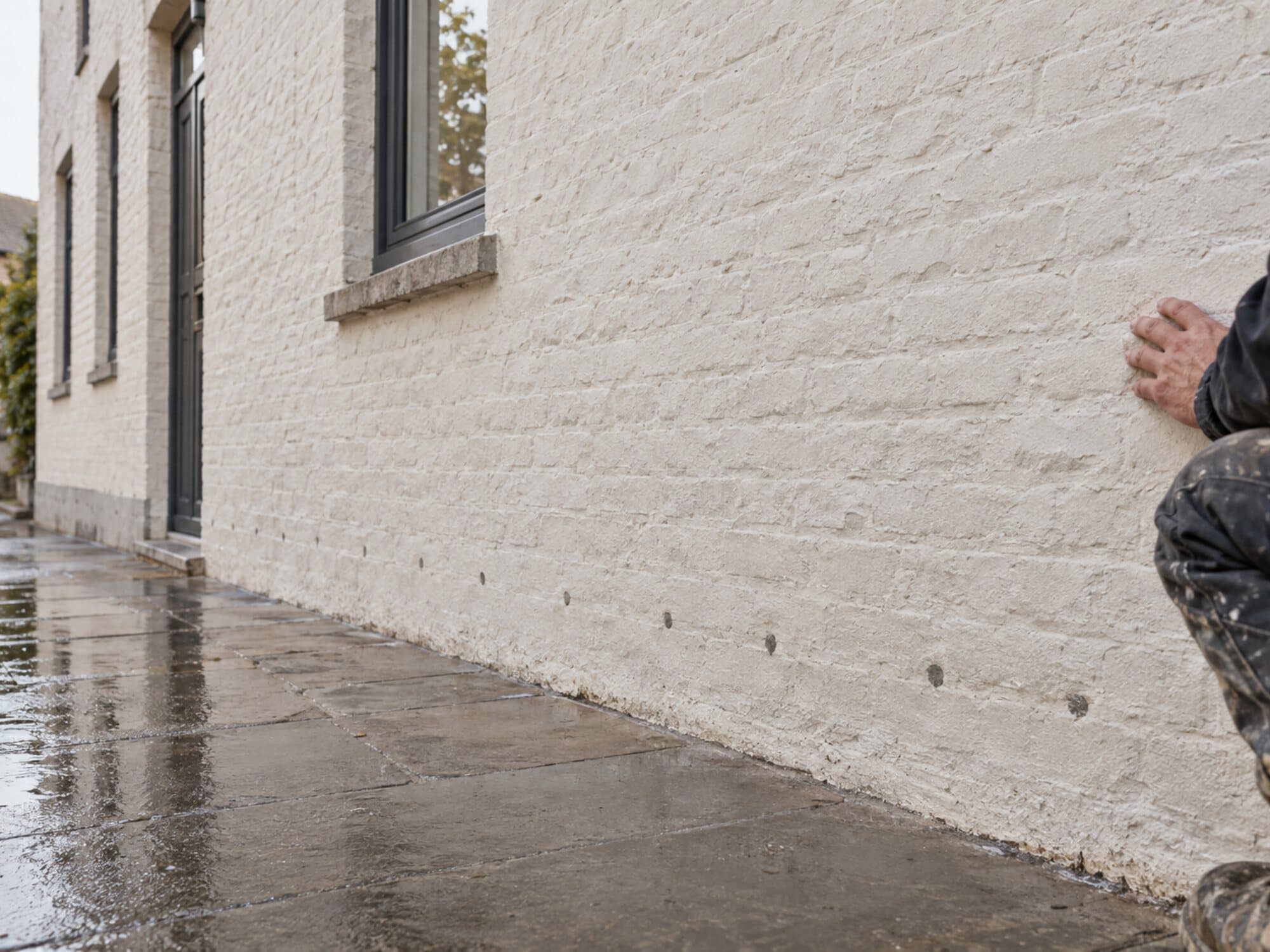

A new damp-proof barrier stops the moisture rising from the ground. You do not hide the problem, you solve it.
A finish that resists salts does not come loose again.
We help you tell rising damp from condensation before you start the work.
A fresh coat of paint won’t fix rising damp. The moisture comes from the ground, so you tackle it where it gets in: at the foot of the wall.

Rising damp or condensation? Look at where the damp is: at the foot of the wall, or higher up around windows and in corners.
Remove the damaged finish to well above the highest tide mark.
A damp-proof course at the foot of the wall stops moisture from the ground. That’s the real fix.
Give the wall time to dry before you finish it. Finishing too early traps the damp.
Salts from the wall keep surfacing for a while. A finish that resists them won’t come loose.
A waterproof layer on a primed plinth holds back salts and splash water, inside and out.
DPC injection gel
Damp-proof barrier
The heart of the approach. You drill a row of holes at the foot of the wall and fill them with the gel. It soaks into the brick and forms a new barrier, in solid and hollow bricks.
Primer
Preparing
After injecting, you get the wall ready for the finish. The primer evens out the suction of the brick, so the mortar on it dries evenly and bonds well.
Waterproofing slurry
Salt barrier
The wall keeps giving off moisture and salts for a while. This waterproof mortar forms a barrier, so those salts do not attack your new plaster or paint.

Describe where you see the damp, how high it comes and whether it's an inside or outside wall. We'll help you find the cause first, then the approach.