
Rapid-setting cement
Rapid-setting cement
Water pushing through the basement wall or along the floor joint turns your basement into a damp, unusable space. A waterproof lining on the inside makes it dry again.
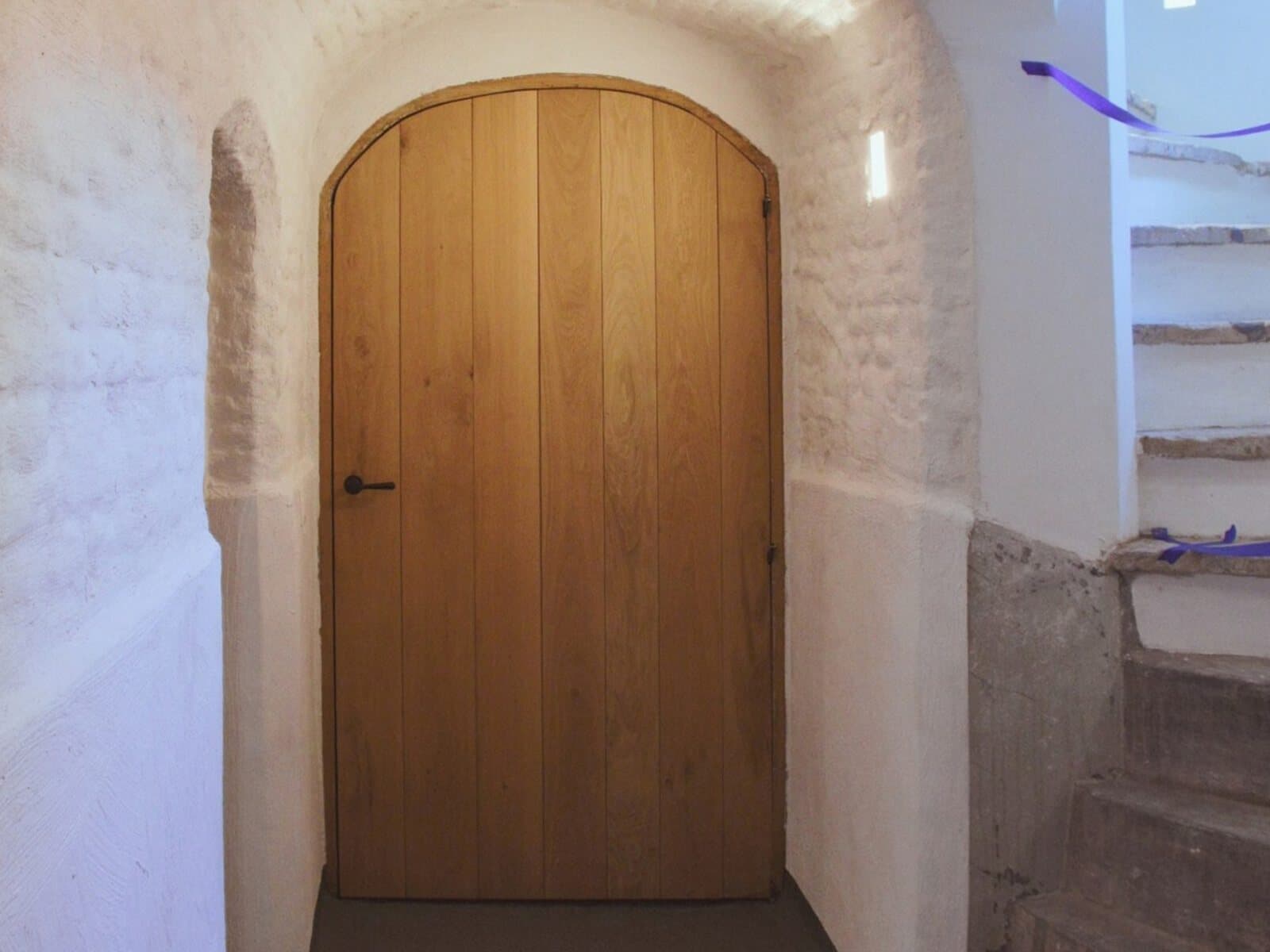
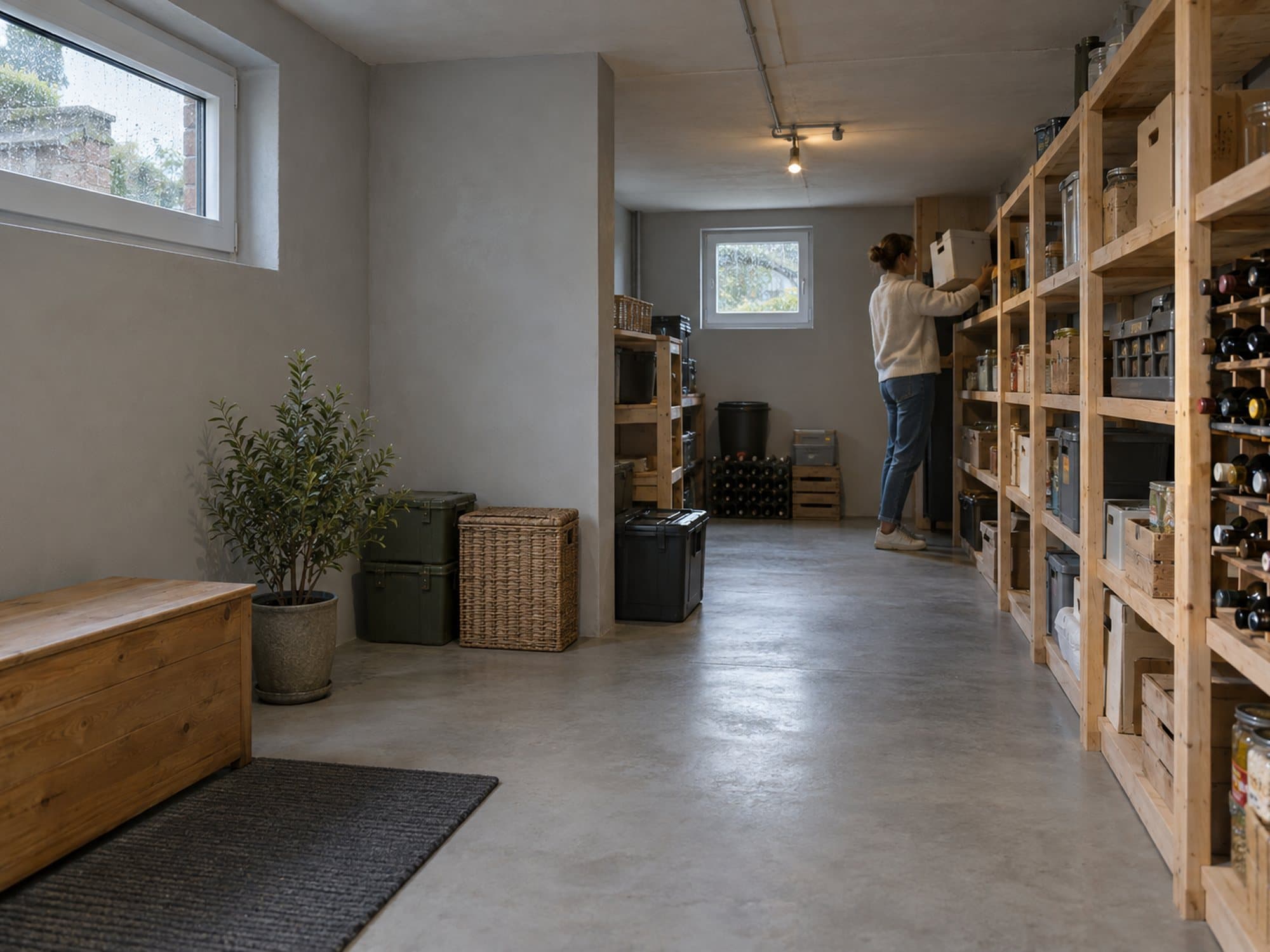

A dry basement is usable again as storage, a wine cellar or a workshop.
Joints, corners and cracks get mesh and extra care. That is where a leak usually starts.
No need to dig around the house. The lining goes on inside, on the existing wall.
Water finds the weakest spot: a leak, a crack or the joint between wall and floor. A waterproof layer is only as strong as those spots, so that is where you start.
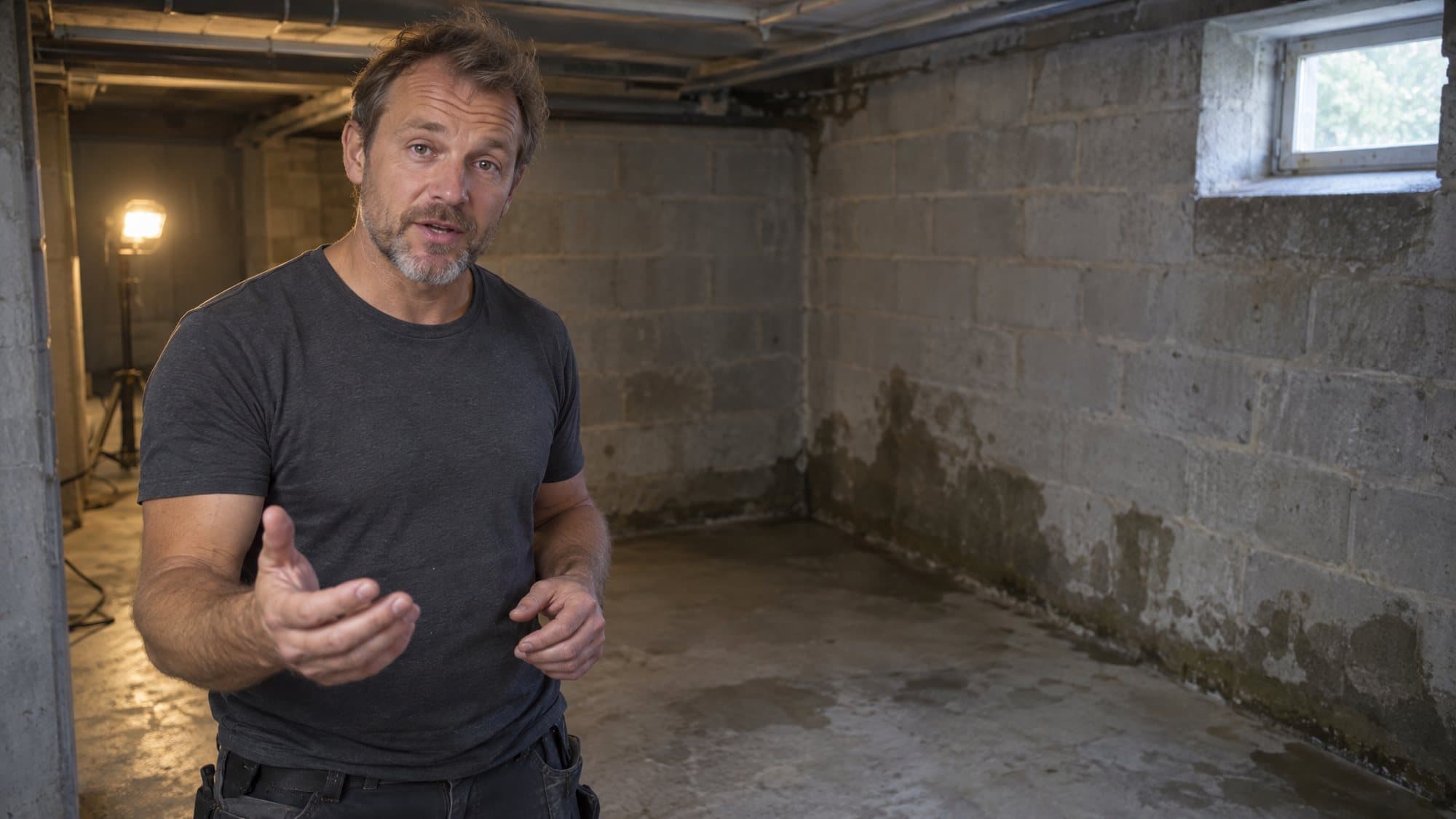
Remove loose plaster, paint and dirt until you reach a firm, clean and open substrate. That is what the seal bonds to.
Water seeping in now is closed off first with fast-setting cement. Only when the wall stops leaking do you start on the seal.
Finish the joint between wall and floor and every inside corner with a cove. A sharp corner is the weakest spot of a basement.
Wet the wall until it takes up nothing more and looks matt and damp. That way the substrate does not draw the water out of the coat.
One coat always leaves a weak spot somewhere. Dampen lightly before the second and carry the cove on onto the floor.
Keep the fresh coat damp while it cures. Ventilate well afterwards: the walls give off moisture for a while.
Rapid-setting cement
Stopping leaks
The first step. This cement hardens in minutes, so you press it straight onto a leak. Then you use it to close holes and cracks in the basement wall.
Primer
Preparing
A basement wall does not absorb equally everywhere. The primer evens that out, so the waterproof coats bond equally well everywhere and do not dry out too fast.
Waterproofing slurry
Waterproof lining
The waterproof layer itself. You mix the powder with the liquid and brush it on in two coats over the wall, the rounded cove and the floor.
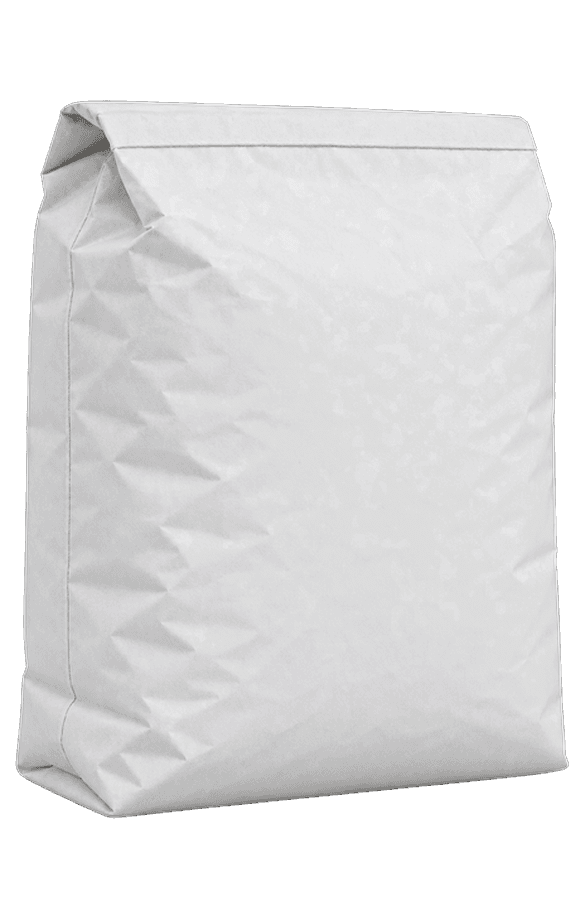
Waterproofing slurry
Extra render
Is more water pressing against the wall? Then you finish the lining with this thicker waterproof mortar. It gives the basement a solid, closed finish.
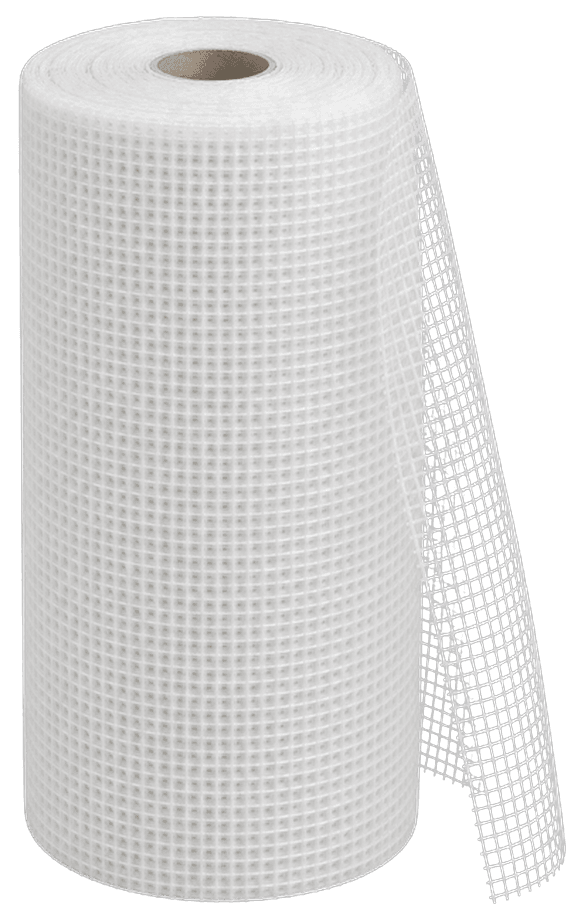
Reinforcement mesh
Reinforcing
The corners, the joint with the floor and cracks move the most. That is where you embed the mesh in the first coat, so the waterproof layer stays intact.
Tell us how the water gets in: through a leak, through the wall or along the joint with the floor. We put together the build-up that fits your basement.