
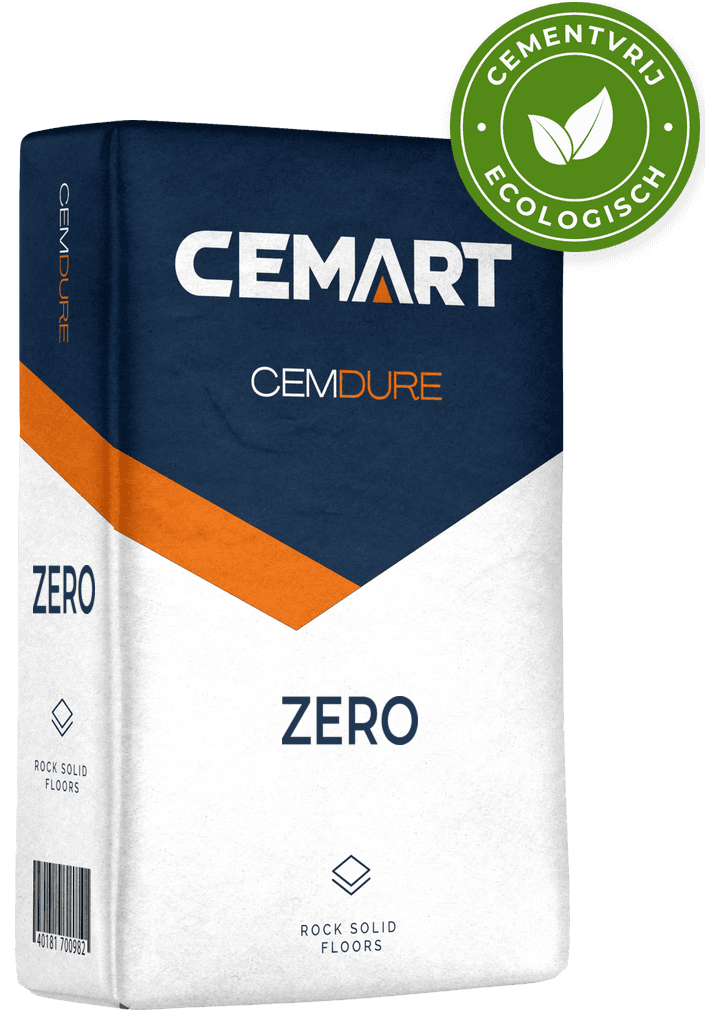

Bonding primer
Primer
Rain, splash water and moisture from the ground look for a way into your facade. A waterproof mineral protective coat keeps the water out, so your facade stays healthy and well kept.

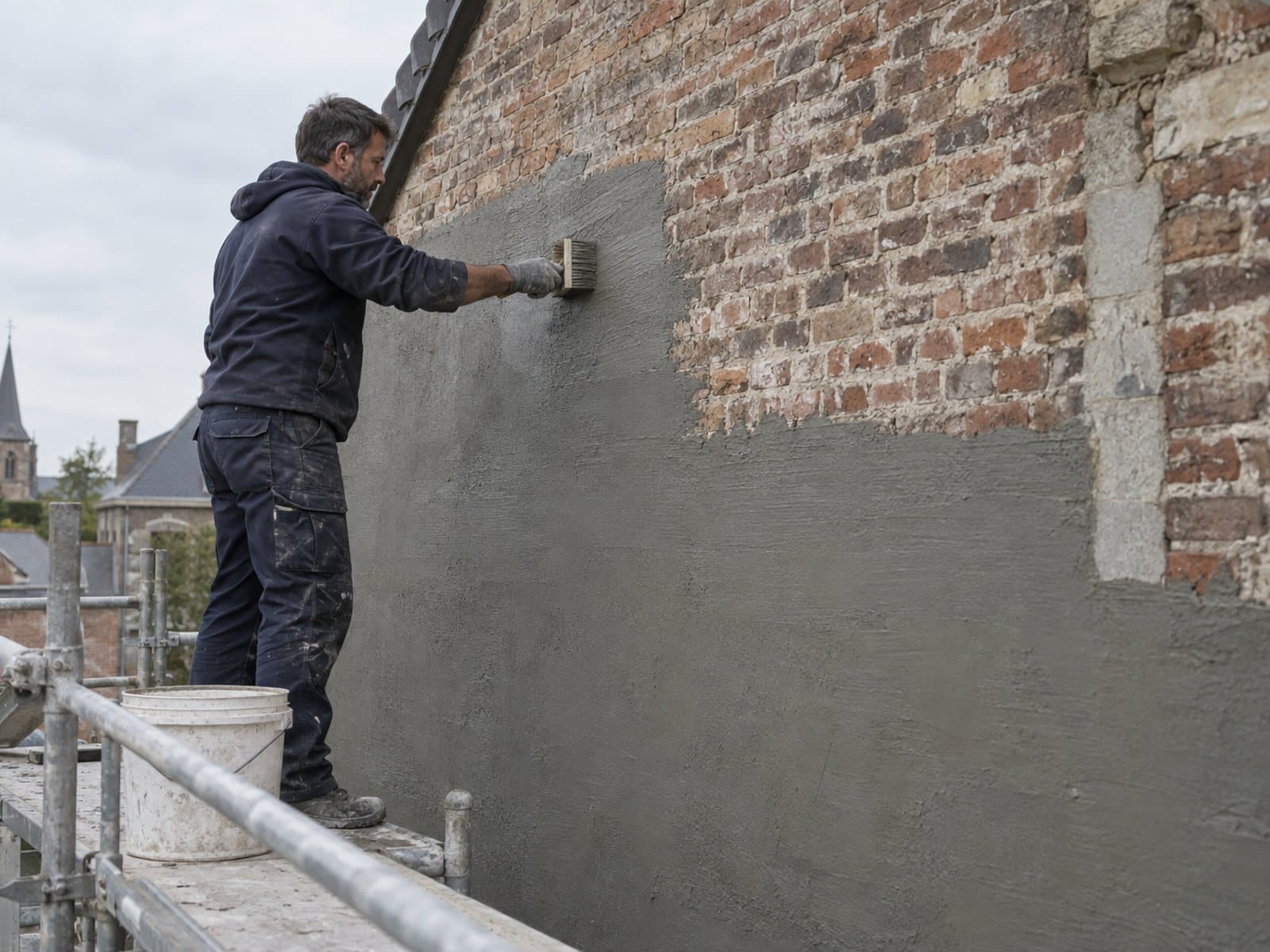

A waterproof coat keeps rain and splash water out of the brickwork, so the wall stays dry on the inside too.
A cement-based coat bonds into the pores of the substrate, stays breathable and withstands frost.
From a neat plinth to a fully protected wall: your facade looks well kept again.
A facade takes rain, wind and splash water. Where water soaks into the brickwork, you get damp patches inside, salt bloom outside and a finish that comes loose. The water gets in through cracks, open joints and the foot of the wall.

Driving rain, splash water or ground moisture? Look at where the damp patches are before you choose an approach.
Fill open joints and cracks first. Otherwise the water still finds a way behind the protective coat.
Remove dirt, moss and loose parts. The coat bonds best to a firm, clean substrate.
A primer evens out the suction of the substrate. The mortar then dries evenly and bonds well.
Two coats close better than one thick one. Dampen lightly between coats and take extra care at windows and sills.
Protect the fresh coat from rain, frost and drying out until it has cured.
Primer
Preparing
Brickwork absorbs unevenly: the bricks differently from the joints. The primer evens that out, so the protective coat dries and bonds equally well everywhere.
Waterproofing slurry
Waterproof coat
The protection itself. You apply it in two coats, on the plinth where splash water hits or on the whole wall where rain drives through.
Waterproofing slurry
Strong finish
For the spots that take the hardest beating, such as a plinth full of splash water. This thicker waterproof mortar gives them a solid, neat finish.
Tell us what your facade is made of, where you see damp or damage and whether it is the plinth or the whole facade. We will propose the approach that fits.