

Floor primer
Primer
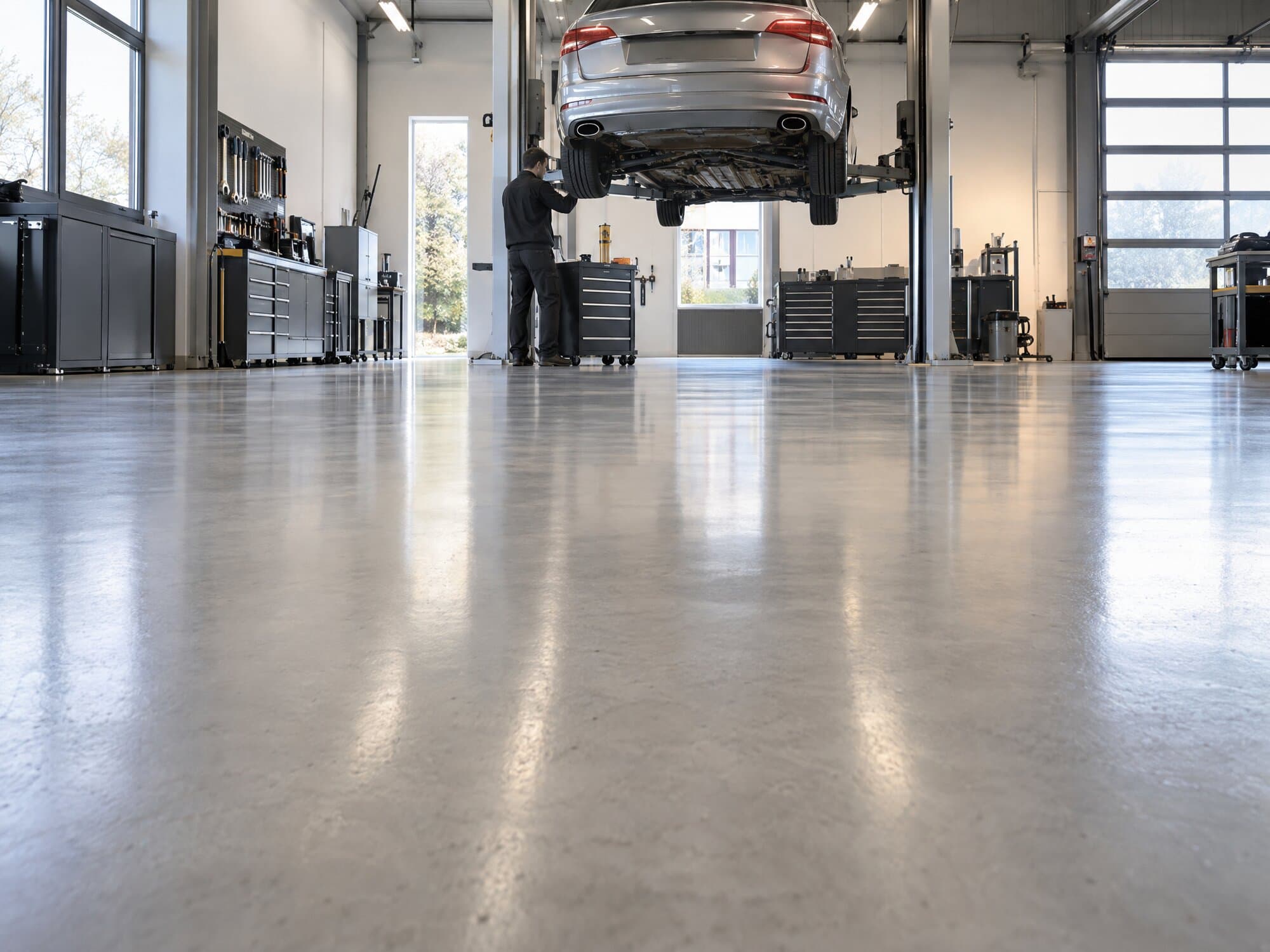
A floor that carries wheels, weight and traffic every day, stays flat and lasts for years.
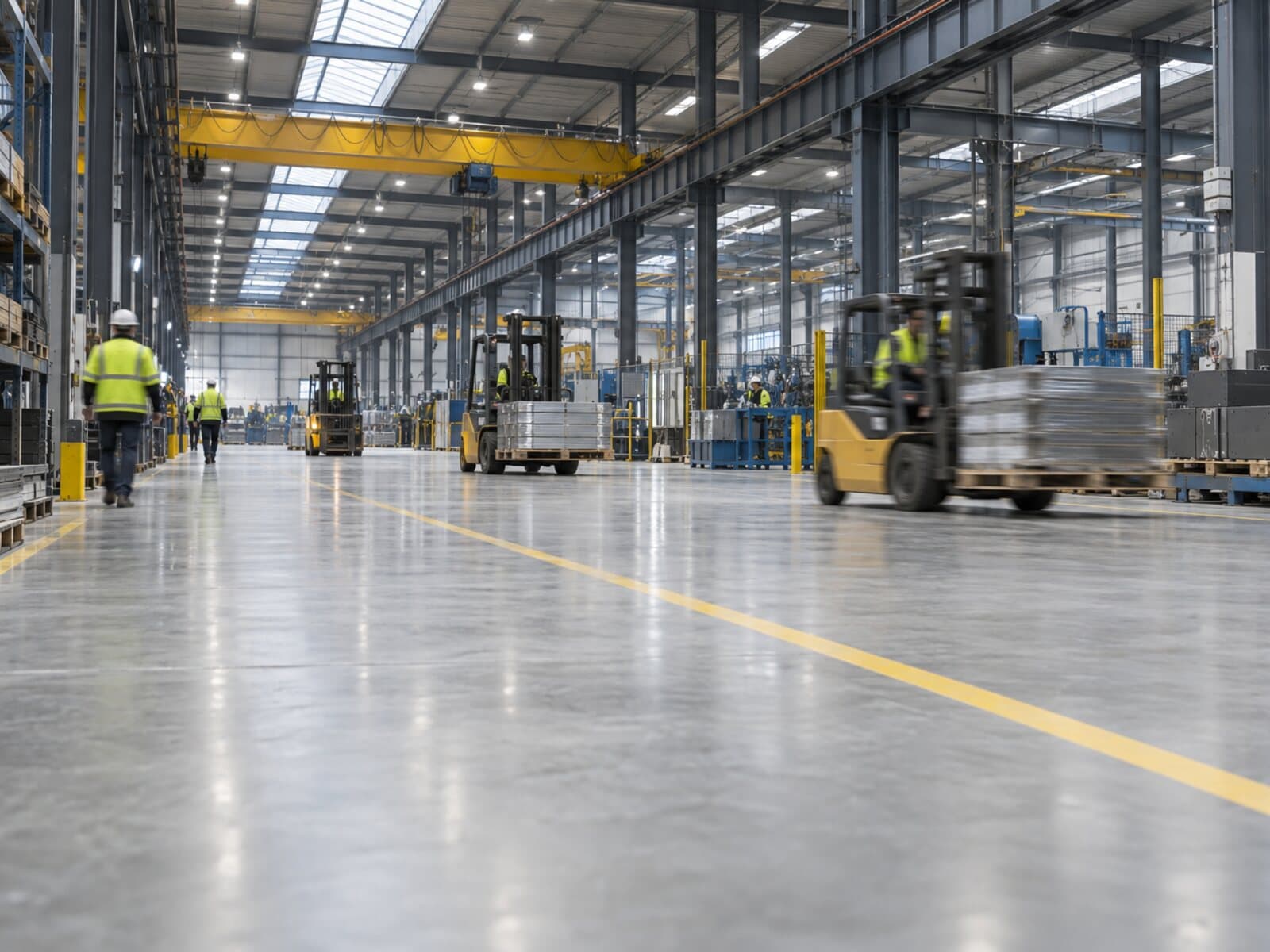

High compressive strength for heavy loads and intensive traffic.
Fast-drying products keep the time the space stands still short.
For loading docks and yards there is a frost-resistant pourable mortar.
A floor for heavy traffic is only as strong as its weakest layer. So you build it from the bottom up, and choose each layer for what drives over it.
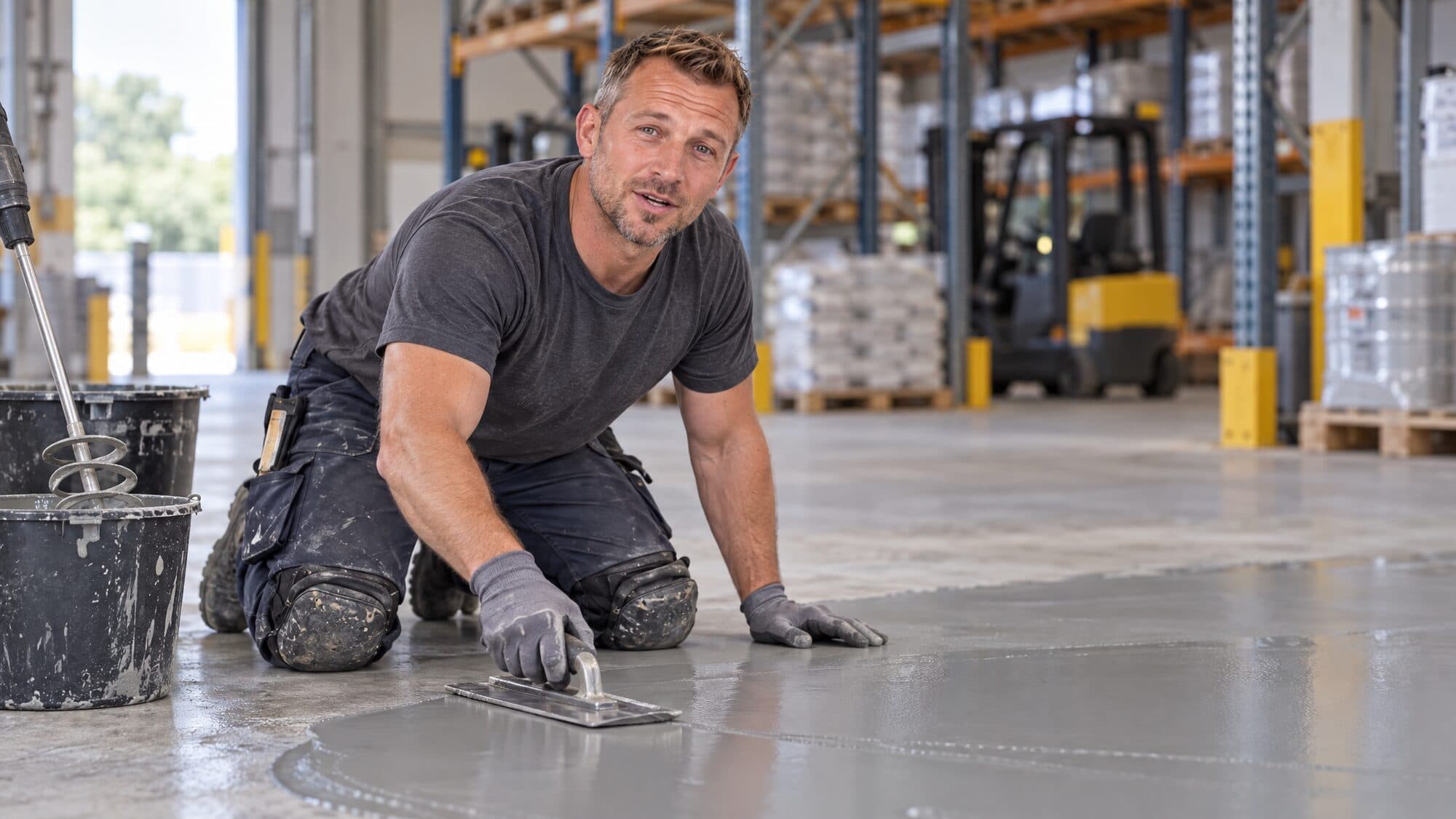
What drives over the floor, how often and how heavy? That decides the build-up.
Fix cracks, holes and loose parts. A finished floor is only as strong as what lies beneath it.
A primer makes sure every layer bonds well to the one before.
Every levelling compound and finished floor has a minimum and maximum thickness. It’s on the technical data sheet.
Check the data sheet for when the floor is walkable and fully loadable, and plan the work around it.
On a loading dock or yard you need a pourable mortar that stands up to frost and weather.
Primer
Pretreatment
Start on a clean, sound substrate with the primer. It evens out the suction so the levelling compound bonds well and the floor holds together under heavy loads.
Levelling compound
Levelling
Levels the substrate, also where you need thicker layers. The fibres and high compressive strength give the floor the bearing capacity for heavy loads.
Levelling compound
The base layer
Lays the base beneath an industrial floor. It makes the substrate flat and strong, so the wearing layer on top is equally thick and strong everywhere.
Levelling compound
Base layer for heavy loads
The fibre-reinforced choice where forklifts, racking and heavy machines press on the floor. The fibres hold the layer together under high loads.
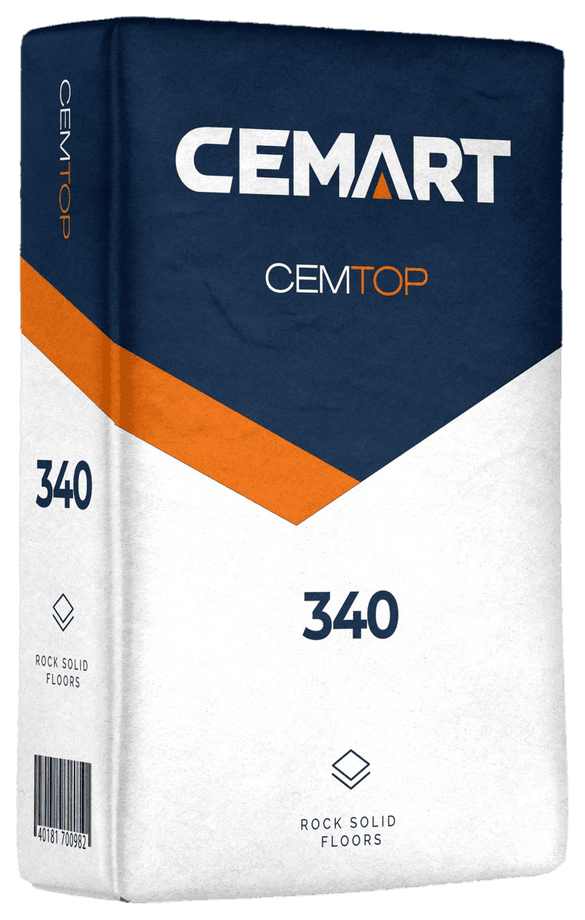
Floor finish
The wearing layer
The finish for commercial and industrial spaces. It levels itself, resists wear and is ready for the daily traffic of people and trolleys.
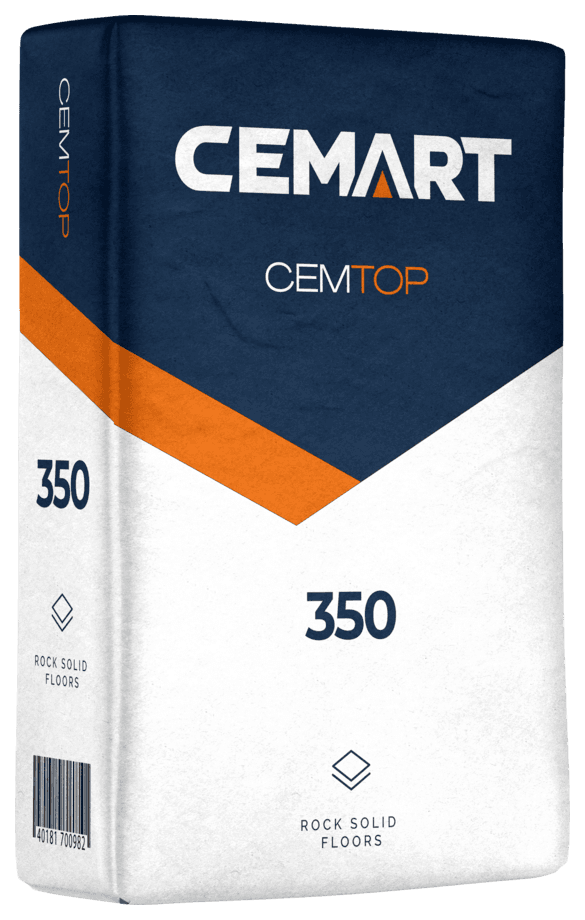
Floor finish
Intensive traffic
The top layer for heavy, intensive traffic, such as forklifts in a warehouse. Also the choice for renovating a worn industrial floor without breaking it out.
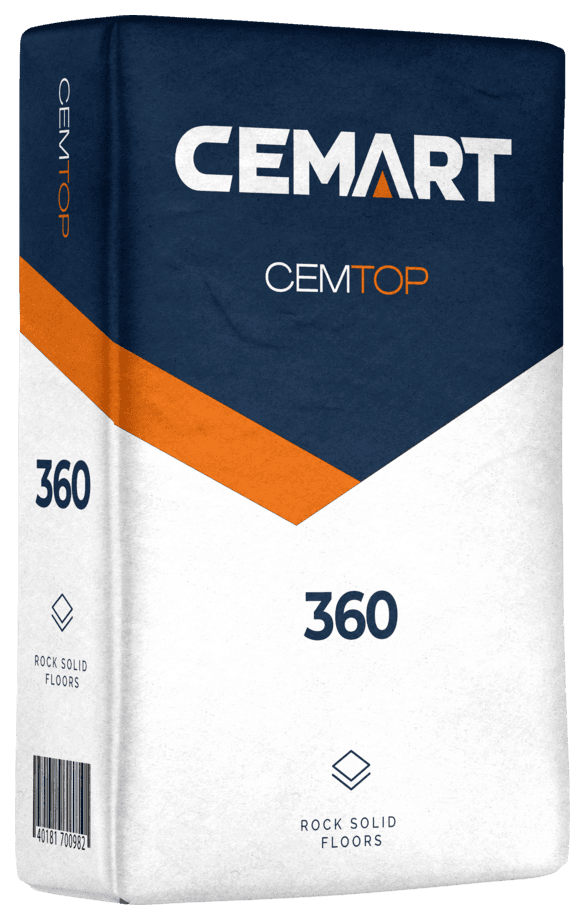
Floor finish
Outdoors
For heavy floors in the open air, such as loading bays and farms. This pouring mortar is frost-resistant and stands up to the weather.

Tell us what drives over the floor, indoors or outdoors, and how long the space can be out of use. We'll suggest a build-up that fits.